Swiss Style Lathes A Deep Dive into Their Functionality
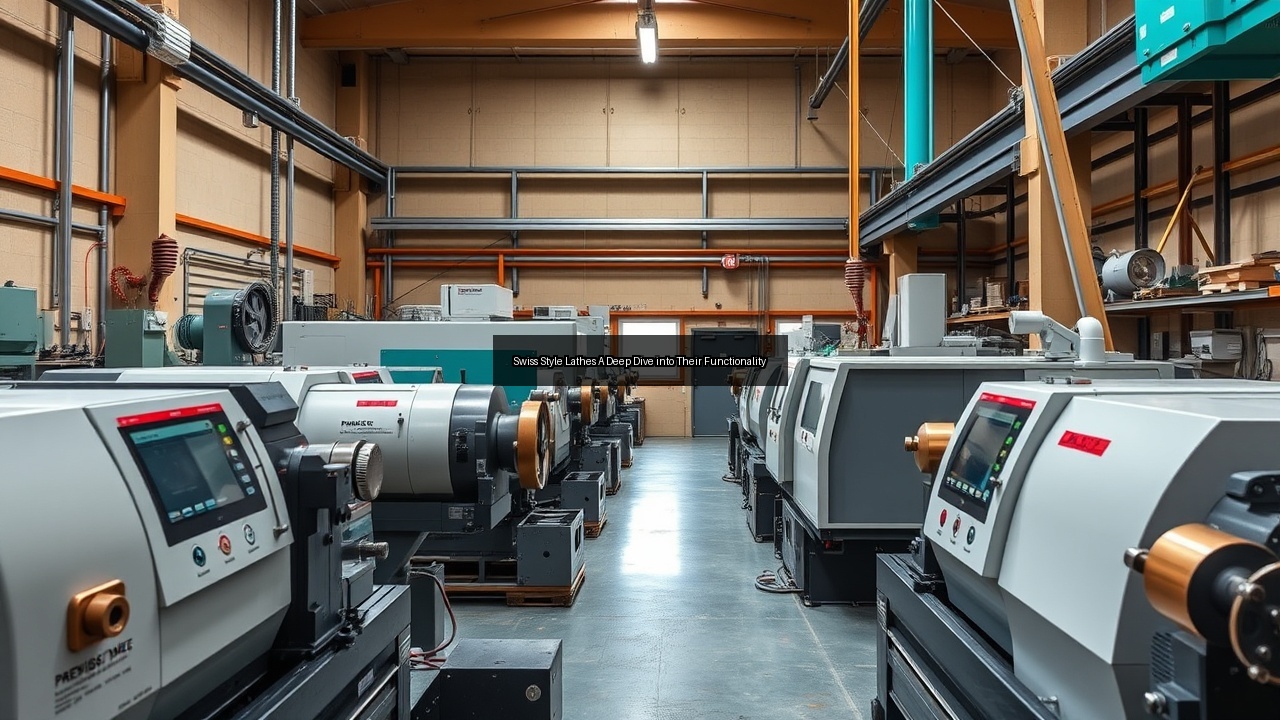
Understanding Swiss Style Lathes
What is a Swiss Lathe?
A Swiss lathe, often referred to as a Swiss-style lathe, represents a sophisticated machine designed for precision machining. Originating from Switzerland, these lathes specialize in producing high-precision parts, particularly for industries requiring intricate geometries and tight tolerances. The Swiss lathe operates on a unique principle where the material feeds through a guide bushing, allowing for minimal tool deflection during the machining process. This design leads to superior accuracy and the ability to produce small-diameter components efficiently. Swiss lathes excel at creating parts with complex profiles, making them indispensable in sectors such as aerospace, medical, and automotive manufacturing.
The Evolution of Swiss Machining Technology
Swiss machining technology has evolved significantly since its inception in the late 19th century. Originally, these machines were designed for the production of watch parts, an industry that demanded unparalleled precision and efficiency. Over the decades, advancements in CNC (Computer Numerical Control) technology transformed Swiss lathes into highly automated machines capable of handling complex tasks. Modern Swiss-style lathes now integrate advanced software that enhances their functionality, allowing for real-time monitoring and adjustments during the machining process. This evolution has expanded the applications of Swiss machining beyond watchmaking into high-tech fields where precision and speed are paramount.
Key Differences: Swiss Lathes vs. Traditional Lathes
Swiss lathes differ markedly from traditional lathes in several key aspects. Traditional lathes typically operate with a fixed tool and a rotating workpiece, which can limit the precision achievable with smaller parts. In contrast, Swiss lathes utilize a sliding headstock that moves the tool into position while the workpiece remains stationary, allowing for greater accuracy, especially in machining small diameters. Additionally, Swiss lathes often feature multiple spindles and tools, enabling them to perform several operations simultaneously, which significantly boosts productivity. The ability to produce high volumes of complex parts quickly sets Swiss machining apart from conventional machining methods.
Core Functionality and Features
Precision Tooling and Geometries
Precision tooling is at the heart of Swiss machining. Swiss lathes utilize specialized tooling that can achieve intricate geometries, which is essential for industries that require exact specifications. Tools used in Swiss lathes are often custom-designed to meet the demands of specific applications. The geometries produced can range from simple cylindrical shapes to complex profiles with tight tolerances. This precision is crucial in sectors like aerospace, where components must withstand extreme conditions while maintaining functionality. The ability to create parts with such exacting standards makes precision tooling a vital feature of Swiss machining.
Automation in Swiss Machining
Automation plays a pivotal role in the functionality of Swiss-style lathes. Many modern Swiss lathes incorporate CNC technology, allowing for automated programming and operation. This automation enhances productivity by reducing the need for manual intervention, enabling continuous operation with minimal downtime. Automated Swiss machining systems can handle higher volumes of production and maintain consistent quality across batches. Furthermore, automation allows for complex programming that can adapt to different machining needs quickly. This flexibility is especially beneficial for machine shops that require versatility in their production lines.
Integration of Software in Swiss Lathes
The integration of software in Swiss lathes has revolutionized the machining process. Advanced CNC software enables operators to input detailed specifications and design parameters directly into the machine. This level of control translates into higher efficiency and accuracy in the production of machined parts. Additionally, software can monitor the machining process in real-time, allowing for instant adjustments and error corrections. This technological advancement not only streamlines operations but also enhances the overall quality of the finished products. The synergy between software and Swiss machining technology leads to optimized workflows and better resource management.
Applications in Various Industries
Aerospace Applications of Swiss Machined Parts
The aerospace industry relies heavily on Swiss machining for producing intricate and high-strength components. Parts such as fuel injectors, landing gear components, and turbine blades often require the precision that Swiss lathes provide. The lightweight and durable characteristics of the materials used in aerospace applications, including titanium and nickel alloys, align perfectly with the capabilities of Swiss-style lathes. These machines can create parts that meet stringent safety regulations while maintaining optimal performance. The ability to produce complex geometries with high tolerances allows aerospace manufacturers to push the boundaries of innovation without compromising on quality.
Swiss Style Lathes in the Medical Field
In the medical field, Swiss machining plays a crucial role in the production of surgical instruments, implants, and other medical devices. The precision required in this sector is critical as even minor deviations can lead to significant consequences. Swiss lathes excel at manufacturing small, intricate parts such as screws, fittings, and specialized tools that must meet rigorous health and safety standards. The automation and precision of Swiss machining ensure that these medical components are produced efficiently while maintaining the highest quality. As the medical field continues to advance, the demand for Swiss machining solutions will likely increase, ensuring the production of reliable and safe medical devices.
The Role of Swiss Machining in High-Volume Production
High-volume production is another area where Swiss-style lathes shine. These machines are designed for efficiency, making them ideal for producing large quantities of identical parts. Industries such as automotive and electronics benefit significantly from the high-speed capabilities of Swiss lathes. The automation, combined with the ability to quickly change tooling and settings, allows for seamless transitions between different production runs. Such versatility ensures that machine shops can meet fluctuating demands without sacrificing productivity. The combination of speed, precision, and adaptability makes Swiss machining a preferred solution for high-volume manufacturing environments.
Boosting Productivity with Swiss Machining
Maximizing Efficiency with CNC Swiss Machining
CNC Swiss machining maximizes efficiency by automating various aspects of the machining process. The integration of CNC technology allows for rapid programming and setup, reducing the time required to switch between different jobs. Operators can input complex machining parameters, enabling the machine to run continuously with minimal oversight. This efficiency translates into increased productivity, as Swiss machines can operate for extended periods without interruption, producing a high volume of parts in less time. The precision and reliability of CNC Swiss machines make them a vital asset for any modern machine shop aiming to enhance output.
Challenges in Machining Nickel and Other Materials
While Swiss machining excels in many areas, challenges arise when working with materials like nickel and certain alloys. Nickel, known for its toughness and resistance to corrosion, can present difficulties during the machining process. The hardness of nickel requires specialized tooling and optimized cutting parameters to achieve the desired results. Additionally, the heat generated during machining can lead to tool wear, necessitating frequent tool changes and maintenance. Despite these challenges, the capabilities of Swiss lathes can effectively address these issues with the right strategies and tools, ensuring that high-quality parts are produced even from complex materials.
Future Trends in Swiss Machining Technology
The future of Swiss machining technology looks promising, with several trends shaping its evolution. Innovations in materials science are leading to the development of new alloys that enhance cnc swiss machining machinability while maintaining strength. Additionally, advancements in automation and artificial intelligence are set to further improve the efficiency and accuracy of Swiss lathes. Machine learning algorithms can optimize machining processes by analyzing data from previous jobs, allowing for continuous improvement. As industries demand even greater precision and customization, the evolution of Swiss machining technology will continue to adapt, ensuring its relevance in the ever-changing landscape of manufacturing.
See Also
- The Evolution of Swiss Machining Technology in Modern Industry
- Achieving Unmatched Precision with Swiss Turning Techniques
- Unlocking Productivity in Machine Shops Through Advanced Swiss CNC Machining Solutions
- Screw Machining vs Swiss Machining Which is Right for Your Project
- Navigating the World of Swiss Machining Equipment