Maximizing Efficiency in Plastic Injection Molding for Competitive Advantage
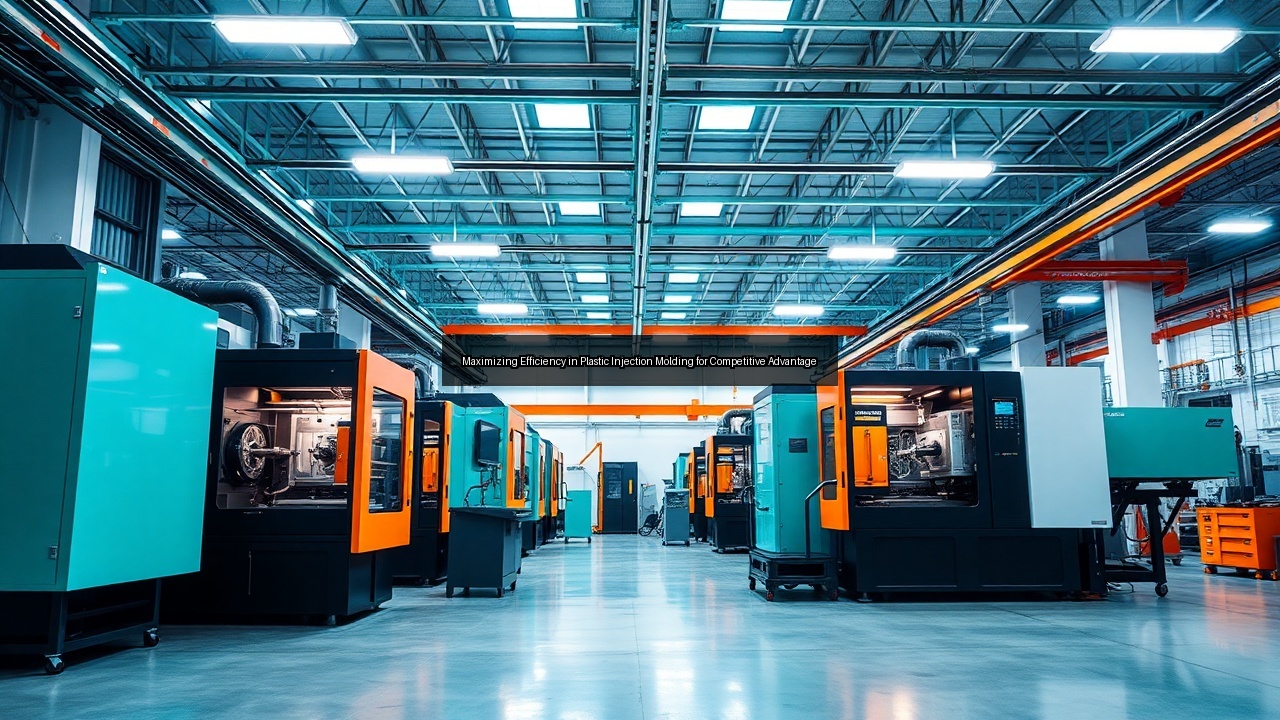
Understanding the Plastic Injection Molding Process
Overview of Injection Molding
Plastic injection molding delivers precise parts at high volume by forcing molten material into a custom mold under pressure. Manufacturers rely on this method to create everything from consumer electronics housings to medical device components. The process supports tight tolerances and complex geometries that other techniques struggle to match. A plastic injection molding manufacturer optimizes cycle times and material flow to keep costs down while maintaining quality. Companies that choose experienced partners gain access to engineering support that refines part designs early, avoiding expensive tooling changes later. This approach gives businesses a clear edge when scaling production without sacrificing consistency or structural integrity.
Key Steps in the Injection Molding Process
The injection molding process begins with material preparation, where plastic pellets dry to remove moisture that could cause defects. Next, the material melts inside the barrel before high-pressure injection fills the mold cavity. Cooling follows immediately, allowing the part to solidify while maintaining shape. Ejection then releases the finished component, and the cycle repeats. Skilled operators monitor temperatures, pressures, and timing to prevent flash or sink marks. A reliable plastic injection molding manufacturer documents each parameter so teams can replicate success across multiple runs. This systematic flow reduces downtime and supports rapid iteration when product designs evolve.
Materials Used in Plastic Injection Molding
Engineers select resins based on mechanical needs, chemical resistance, and regulatory requirements. Common choices include ABS for impact strength, polycarbonate for clarity and toughness, and polypropylene for cost-effective flexibility. Additives such as glass fibers or flame retardants further tailor performance. A plastic injection molding manufacturer tests material lots before production to verify consistency and avoid costly rejects. Proper material handling also improves sustainability by enabling regrind use without compromising part quality. Matching the right plastic to the application ensures durability and helps manufacturers meet demanding industry standards across automotive, electronics, and healthcare sectors.
Types of Injection Molding Techniques
Single-shot vs. Two-shot Injection Molding
Single-shot molding produces one material per cycle, keeping tooling simpler and initial costs lower. Two-shot injection molding, however, injects two different plastics or colors in sequence within the same machine. This creates bonded multi-material parts without secondary assembly. Manufacturers favor two-shot methods for soft-touch grips on tools or sealed electronic enclosures. The added complexity requires precise mold alignment and material compatibility, yet the efficiency gains often offset the investment. A plastic injection molding manufacturer experienced in both approaches helps clients decide which technique aligns with volume targets and functional requirements.
Advantages of Two-shot Injection Molding
Two-shot injection molding reduces assembly steps, lowers labor expenses, and improves part reliability by eliminating weak joints. It enables overmolding of elastomers onto rigid substrates for ergonomic products that feel premium. Cycle times stay competitive because the process completes in one machine rather than multiple stations. Manufacturers also achieve better aesthetics through seamless color transitions and integrated seals. Working with a plastic injection molding manufacturer skilled in two-shot techniques ensures proper gate placement and thermal management, preventing delamination and scrap. These benefits translate directly into faster time-to-market and stronger competitive positioning.
Choosing the Right Technique for Your Product
Product geometry, material pairing, and production volume guide the decision between single-shot and two-shot methods. Simple parts with one material suit traditional injection molding, while multi-function designs benefit from two-shot capabilities. A custom plastic injection molding company evaluates prototypes and runs cost analyses early. They also consider downstream operations like painting or ultrasonic welding that two-shot processes might eliminate. Clear communication with the plastic injection molding manufacturer about end-use conditions and regulatory needs leads to the optimal process selection and avoids expensive redesigns after tooling begins.
Maximizing Efficiency in Manufacturing
Best Practices for Streamlining Production
Streamlined production starts with standardized setups and real-time monitoring of every variable. Manufacturers track fill times, cooling rates, and ejection forces to spot deviations before defects appear. Regular mold maintenance prevents unplanned stops and extends tool life. Cross-training operators creates flexible teams that maintain output during peak demand. A plastic injection molding manufacturer implements lean principles such as quick mold changes and statistical process control. These practices cut waste and boost throughput while preserving the high quality customers expect from leading plastic injection molding companies.
Utilizing Advanced Technology in Injection Molding
Modern machines equipped with servo-driven hydraulics and closed-loop controls deliver consistent shot-to-shot accuracy. Simulation software predicts fill patterns and warpage, allowing adjustments before steel is cut. Robotic part removal and automated inspection further accelerate cycles. A forward-thinking plastic injection molding manufacturer integrates these tools to shorten lead times and support just-in-time delivery. Data analytics also reveal opportunities for energy reduction and predictive maintenance. Investing in advanced technology separates top plastic injection molding manufacturers from competitors still relying on older equipment.
Reducing Waste and Improving Sustainability
Material regrind programs, optimized runner systems, and precise shot control minimize scrap rates. Manufacturers recycle sprues and runners back into production when specifications allow. Energy-efficient presses and water-saving cooling loops lower the environmental footprint. A responsible plastic injection molding manufacturer tracks these metrics and shares progress with clients seeking greener supply chains. Sustainable practices also improve margins by cutting raw material purchases and disposal fees. Sheet metal alternatives sometimes compete for certain parts, yet injection molding often wins on cost and design freedom once waste reduction strategies are in place.
Selecting the Right Plastic Injection Molding Manufacturer
Criteria for Choosing a Custom Plastic Injection Molding Company
Experience with similar part sizes, materials, and industries tops the list. Look for in-house engineering support, ISO certifications, and a proven track record of on-time delivery. Capacity for both prototype and high-volume runs matters when scaling. A strong custom plastic injection molding company also maintains robust quality systems and transparent communication. Request references and audit their facility to verify capabilities. Choosing the right plastic injection molding manufacturer directly influences product success and long-term partnership value.
Top Plastic Injection Molding Manufacturers in the Industry
Industry leaders combine technical expertise with reliable service across diverse applications. They invest in the latest equipment and maintain clean, organized facilities. Top plastic injection molding manufacturers also offer design for manufacturability reviews that catch issues early. Clients benefit from dedicated project managers who coordinate tooling, sampling, and production. Evaluating these capabilities helps businesses identify partners who deliver consistent results rather than lowest bids that lead to quality problems later.
Evaluating Plastic Injection Molding Services and Suppliers
Request detailed quotes that break down tooling, material, and per-part costs. Compare lead times for samples and production. Assess secondary services such as assembly, printing, or packaging that reduce your internal workload. A capable plastic injection molding supplier provides material certifications and first-article inspection reports. Visiting the plant reveals operational discipline and employee expertise. Thorough evaluation ensures the chosen plastic injection molding services align with quality, cost, and delivery expectations.
Case Studies and Success Stories
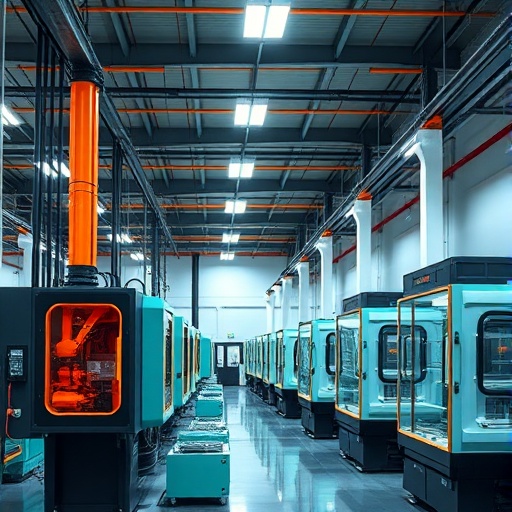
Innovative Applications of Plastic Injection Molding
Medical device firms use multi-cavity molds and cleanroom production to create single-use instruments at scale. Automotive suppliers rely on glass-filled nylons for under-hood components that withstand heat and vibration. Consumer brands leverage two-shot injection molding for colorful, ergonomic handles that improve user experience. These applications demonstrate how a skilled plastic injection molding manufacturer turns complex requirements into repeatable, cost-effective solutions that outperform traditional fabrication methods.
Nicolet Plastics: A Leader in Injection Molded Solutions
Nicolet Plastics stands out among plastic injection molding manufacturers for its focus on engineering collaboration and rapid tooling. The company handles projects from concept through full production, using advanced simulation and in-house mold building. Clients in electronics and industrial markets report faster development cycles and reduced part counts thanks to Nicolet Plastics expertise in two-shot and insert molding. Their commitment to quality systems and sustainable practices makes them a preferred partner for companies seeking reliable injection-molded components.
Lessons Learned from Successful Injection Molding Projects
Successful projects emphasize early supplier involvement to optimize designs for molding. Teams that validate materials and processes through short runs avoid costly changes after production starts. Clear documentation of critical dimensions and acceptance criteria prevents disputes. Manufacturers that track performance data continuously refine parameters for higher yields. These lessons reinforce why partnering with an experienced plastic injection molding manufacturer accelerates innovation and protects margins across the product lifecycle.
See Also
- Exploring the Benefits of Partnering with a Leading Plastic Injection Molding Supplier
- How Two-Shot Injection Molding is Revolutionizing the Industry
- Innovations in Injection Mold Technology and Their Impact on Manufacturing
- The Future of Injection-Molded Products and What It Means for Manufacturers