Top 5 Applications of Rotating Electrical Connectors in Modern Engineering
Understanding Rotating Electrical Connectors
The Basics of Rotating Electrical Connectors
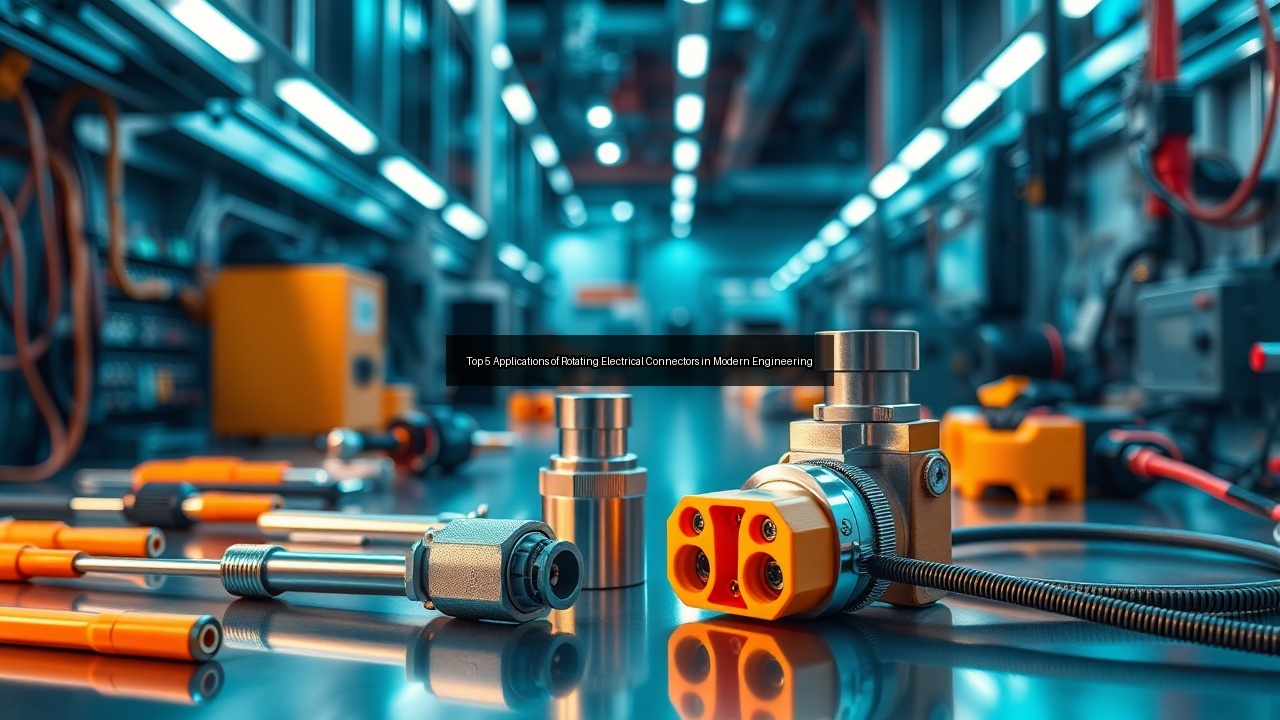
Rotating electrical connectors play a pivotal role in a variety of engineering applications, allowing the seamless transfer of power and data between stationary and rotating components. These connectors are designed to maintain electrical continuity while permitting rotational movement, a critical requirement in many modern systems. The most common type of rotating electrical connector is the slip ring, which consists of a rotating assembly and a stationary part, providing a reliable interface for electrical connections. This design enables the passage of electrical current without the need for cumbersome wiring that can limit movement or flexibility. As industries advance, the demand for sophisticated solutions like rotating electrical connectors continues to grow, facilitating innovations across numerous fields.
How Slip Rings Function
Slip rings serve as the backbone of rotating electrical connectors, enabling the transfer of electrical signals between stationary and moving parts. They consist of conductive rings and brushes that maintain contact as the rings rotate. When an electrical current flows through the brush, it transfers the energy to the rotating ring, ensuring a continuous signal without interruption. This mechanism allows for high-speed operation while minimizing wear and tear, making slip rings particularly suitable for high-speed applications. The materials used in construction, such as copper for conductivity and various composites for durability, enhance the performance and lifespan of these components. Furthermore, slip rings can be configured to handle multiple circuits, including power, control signals, and data, making them versatile for various applications.
Applications of Rotary Electrical Contacts
Rotary electrical contacts find applications in numerous industries, from robotics to aerospace. These connectors facilitate the movement of machinery while maintaining electrical connections, a necessity in dynamic environments. In robotics, for instance, they enable the continuous rotation of robotic arms, providing power and control signals without hindrance. This allows for complex movements and functions, essential for tasks ranging from assembly lines to surgical procedures. In the entertainment industry, rotating electrical connectors are vital for stage equipment, enabling seamless movement of lighting and sound systems during performances. Their adaptability and reliability make them integral in applications that require both mobility and electrical integrity.
Key Applications in Modern Engineering
Rotating Electrical Connectors in Robotics
In the realm of robotics, rotating electrical connectors are indispensable for ensuring efficient and uninterrupted power delivery to moving parts. Robots frequently need to perform complex tasks that require rotational movement, such as turning, pivoting, and extending. Without reliable connectors, the performance of robotic systems would be severely hampered. Rotating electrical connectors allow for continuous operation by supplying power and data to sensors and actuators without the risk of entanglement or wear. This capability is particularly crucial in applications like robotic arms, which require precise control and flexibility. As robotic technology evolves, the demand for advanced rotating connectors that can handle increased speeds and higher voltages also rises, driving innovations in connector designs and materials.
The Role of Connectors in Aerospace
Aerospace engineering relies heavily on rotating electrical connectors to maintain functionality in aircraft and spacecraft. These connectors ensure that critical systems, such as avionics, control surfaces, and propulsion systems, remain operational during flight. For example, in helicopter rotor systems, rotating electrical connectors allow for the transmission of power and signals from the body of the helicopter to the rotating blades. This connection is essential for controlling pitch and other aerodynamic functions. The aerospace industry demands high reliability and durability, often requiring connectors that can withstand extreme temperatures, vibrations, and high voltages. Innovations in materials and design, including the integration of fiber optics, enhance the capabilities of these connectors, paving the way for more sophisticated aerospace technologies.
Utilization in Wind Turbines
Wind turbines are a quintessential example of how rotating electrical connectors contribute to renewable energy solutions. These connectors facilitate the transfer of power generated by the turbine to the grid while allowing the rotor to rotate freely. Slip rings are particularly useful in this setting, as they provide a pathway for electrical currents and signals in a compact design. The ability to withstand harsh environmental conditions, such as moisture and dust, is paramount in wind turbine applications. As the demand for renewable energy sources grows, advancements in rotating electrical connectors, including those designed for high voltage applications, become essential. Innovations focus on improving efficiency, reducing maintenance costs, and enhancing the longevity of these crucial components.
Advancements and Innovations
Integration with Wireless Technology
As technology continues to advance, integrating wireless technology with rotating electrical connectors opens new possibilities. Wireless solutions can eliminate the need for physical connections, reducing wear and tear on components. However, for many applications, the reliability of traditional connectors remains unmatched, making hybrid solutions increasingly popular. These systems combine the benefits of rotating electrical connectors with wireless technologies to enhance overall functionality. For instance, in robotics, pairing slip rings with wireless data transmission allows for uninterrupted motion while simultaneously sending data to control systems. This innovation enhances operational efficiency and flexibility, crucial in fast-paced environments.
High Voltage Applications
The demand for high voltage applications in various industries necessitates innovations in rotating electrical connectors. These connectors must handle increased power levels while ensuring safety and reliability. Engineers are developing specialized slip rings that can accommodate high voltage currents without overheating or compromising performance. This advancement is particularly relevant in sectors such as renewable energy, where wind turbines and solar panels require efficient power transmission. High voltage rotating electrical connectors must also comply with stringent safety standards to prevent failures that could result in catastrophic consequences. Ongoing research focuses on materials and designs that enhance insulation and thermal management, ensuring these connectors can operate reliably in demanding environments.
The Future of Rotating Electrical Connectors
The future of rotating electrical connectors looks promising, driven by advancements in technology and increasing demands across various sectors. As industries evolve, the need for more efficient, durable, and versatile connectors will grow. Innovations in materials, such as advanced composites and conductive polymers, will enhance performance and reduce weight. The rise of automation and IoT (Internet of Things) applications will further propel the development of smart rotating electrical connectors that can provide real-time monitoring and diagnostics. These connectors will play a vital role in the next generation of robotics, aerospace, renewable energy systems, and beyond. By embracing these advancements, engineers can ensure that rotating electrical connectors remain at the forefront of modern engineering, driving the evolution of complex systems and technologies.
See Also
- Revolutionizing Connectivity with Wireless Technology in Rotating Electrical Connectors
- Exploring the Benefits of Slip Rings in Modern Rotating Electrical Connectors
- Future Trends in Rotating Electrical Connector Technology
- The Role of Rotating Connectors in Robotics and Automation
- Understanding Linear Taper and Its Impact on Rotating Electrical Connectors