How to Maintain Ideal Humidity Levels in Hotel Natatoriums
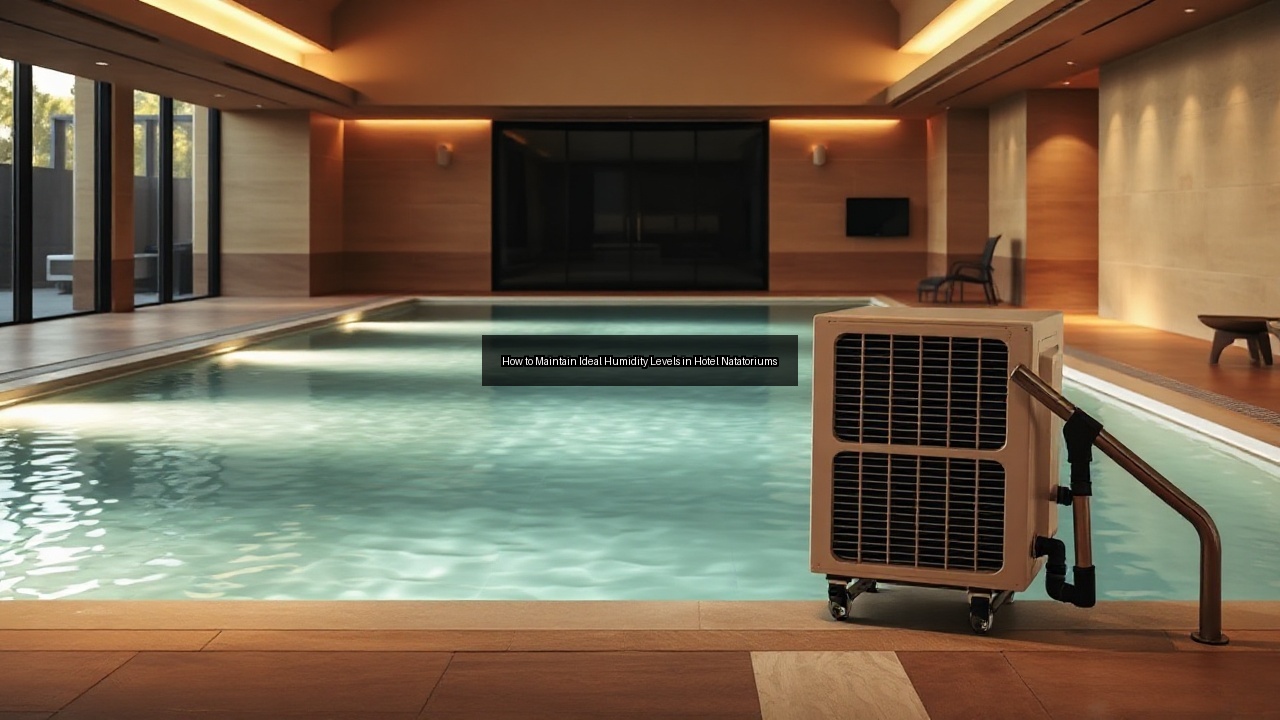
Understanding Humidity Control in Hotel Natatoriums
The Importance of Humidity Control in Indoor Pools
Maintaining optimal humidity levels in hotel natatoriums is crucial for guest comfort and the longevity of the facility. High humidity can lead to a range of issues, including mold growth, structural damage, and increased operational costs. When humidity levels exceed 50-60%, discomfort sets in, leading to a less enjoyable experience for patrons. Conversely, low humidity can cause dryness in the air, resulting in skin irritation and respiratory issues. A well-managed humidity control system ensures that indoor swimming pools remain inviting, thus enhancing the overall guest experience.
How Humidity Affects Indoor Swimming Pool Environments
Humidity impacts indoor swimming pool environments in multiple ways. Excess moisture can cause condensation on windows dehumidified and walls, which not only detracts from the aesthetic appeal but also fosters an environment for mold and mildew. This not only can lead to health issues but also requires costly repairs. Additionally, the presence of high humidity affects the HVAC system, making it work harder to maintain temperature, which increases energy consumption. Proper humidity control helps to stabilize air quality, creating a more pleasant atmosphere while protecting the facility's structural integrity.
ASHRAE Guidelines for Humidity Management
The American Society of Heating, Refrigerating and Air-Conditioning Engineers (ASHRAE) provides essential guidelines for managing humidity in indoor pools. These guidelines recommend keeping humidity levels between 50% and 60% to ensure optimal comfort and health. ASHRAE emphasizes the importance of proper ventilation and air circulation to prevent stagnant air, which can concentrate humidity in certain areas. Implementing these guidelines not only boosts the effectiveness of hotel swimming pool dehumidifiers but also enhances overall energy efficiency, making the facility more sustainable in the long run.
Choosing the Right Dehumidification System
Types of Dehumidifiers for Hotel Swimming Pools
Selecting the right dehumidification system is fundamental to maintaining ideal humidity levels in hotel natatoriums. Several types of dehumidifiers exist, including refrigerant-based and desiccant dehumidifiers. Refrigerant dehumidifiers work by cooling the air, thus condensing moisture, while desiccant units absorb humidity through chemical processes. Each type has its advantages; for instance, refrigerant systems are typically more energy-efficient in warmer climates, while desiccant units excel in cooler environments. Understanding the unique needs of your hotel's indoor swimming pool can guide you in choosing the most effective dehumidification unit to maintain optimal conditions.
Energy Efficiency in Dehumidification Units
Energy efficiency plays a vital role when selecting a hotel pool dehumidification unit. Energy-efficient models not only reduce operational costs but also contribute to a more sustainable environment. Look for dehumidifiers that carry the ENERGY STAR label, as these units meet strict efficiency guidelines. Additionally, consider models that feature variable-speed fans and electronic controls, which optimize energy use based on real-time humidity levels. Investing in energy-efficient dehumidifiers not only lowers utility bills but also enhances your hotel's reputation as an environmentally conscious establishment.
Key Features to Look for in a Hotel Pool Dehumidifier
When choosing a hotel swimming pool dehumidifier, focus on key features that enhance performance and reliability. Look for units equipped with built-in humidistats for precise humidity control, allowing for automatic adjustments based on real-time conditions. Additionally, consider models with integrated air filtration systems to maintain air quality. Portability can also be a crucial feature, especially in multi-pool facilities where flexibility is needed. Finally, assess the unit's noise levels; quieter models ensure that guests enjoy a serene environment while using the indoor pool facilities.
Implementing Effective Climate Control Solutions
Integrating Dehumidifiers with HVAC Systems
Integrating dehumidifiers with HVAC systems is essential for effective humidity control in hotel natatoriums. A well-designed HVAC system should work in tandem with the dehumidification unit to ensure consistent temperature and humidity levels throughout the facility. This integration allows for real-time adjustments based on occupancy and environmental factors, enhancing guest comfort. Moreover, a cohesive climate control solution minimizes energy consumption, as both systems can share load responsibilities. This synergy not only creates a more enjoyable swimming experience but also prolongs the life of the HVAC system and the dehumidification unit.
The Role of Energy Recovery in Humidity Control
Energy recovery systems play a significant role in managing humidity in hotel indoor pools. These systems capture and reuse energy from exhausted air, reducing the overall energy requirements for heating and cooling. By pre-conditioning incoming air through energy recovery, hotels can maintain ideal humidity levels more efficiently. This approach not only enhances comfort but also supports sustainability efforts within the hospitality industry. Incorporating energy recovery solutions into your humidity control strategy can yield significant cost savings while promoting an eco-friendly image for your hotel.
Best Practices for Maintaining Ideal Humidity Levels
Implementing best practices for humidity control ensures that hotel natatoriums remain comfortable and inviting. Regularly monitor humidity levels using reliable hygrometers, and set thresholds that trigger dehumidification or HVAC adjustments. Ensure that the dehumidification unit operates efficiently by scheduling routine maintenance checks and cleaning filters. Additionally, educate staff about the importance of closing doors and windows to minimize external humidity influx. By adhering to these best practices, hotels can maintain consistent hotel pool dehumidification unit humidity levels, enhancing the overall experience for guests while safeguarding the facility.
Maintenance and Operational Considerations
Regular Maintenance of Dehumidification Units
Regular maintenance of dehumidification units is essential for ensuring long-term functionality. Schedule routine inspections to check for any signs of wear and tear, such as leaks or blockages in the drainage system. Cleaning the filters and coils helps maintain optimal airflow and efficiency, reducing energy consumption. Additionally, verify that the unit’s control systems function correctly, as this ensures that humidity levels remain within the desired range. By prioritizing maintenance, hotels can extend the lifespan of their dehumidification units and enhance their performance.
Monitoring Humidity Levels in Hotel Natatoriums
Consistent monitoring of humidity levels in hotel natatoriums is vital for effective climate control. Utilize advanced humidity sensors that provide real-time data, allowing for immediate adjustments to the dehumidification system. Regularly review humidity logs to identify trends and potential issues before they escalate. Engaging staff in this monitoring process ensures that everyone remains aware of the importance of humidity control. Keeping a close eye on these levels not only bolsters guest comfort but also protects the structural integrity of the indoor pool environment.
Troubleshooting Common Humidity Problems
Troubleshooting common humidity problems in hotel natatoriums requires a proactive approach. If humidity levels remain high despite operational dehumidifiers, check for potential sources of moisture, such as leaks or insufficient ventilation. Inspect the HVAC system for any issues that may impede airflow or temperature regulation. In cases where humidity levels are consistently low, consider adjusting the dehumidification unit settings or evaluating the overall system design. Addressing these problems promptly can prevent further complications, ensuring a comfortable and inviting atmosphere for all guests.