From Axle to Synthetic Grease Discover the Best Options for Every Application
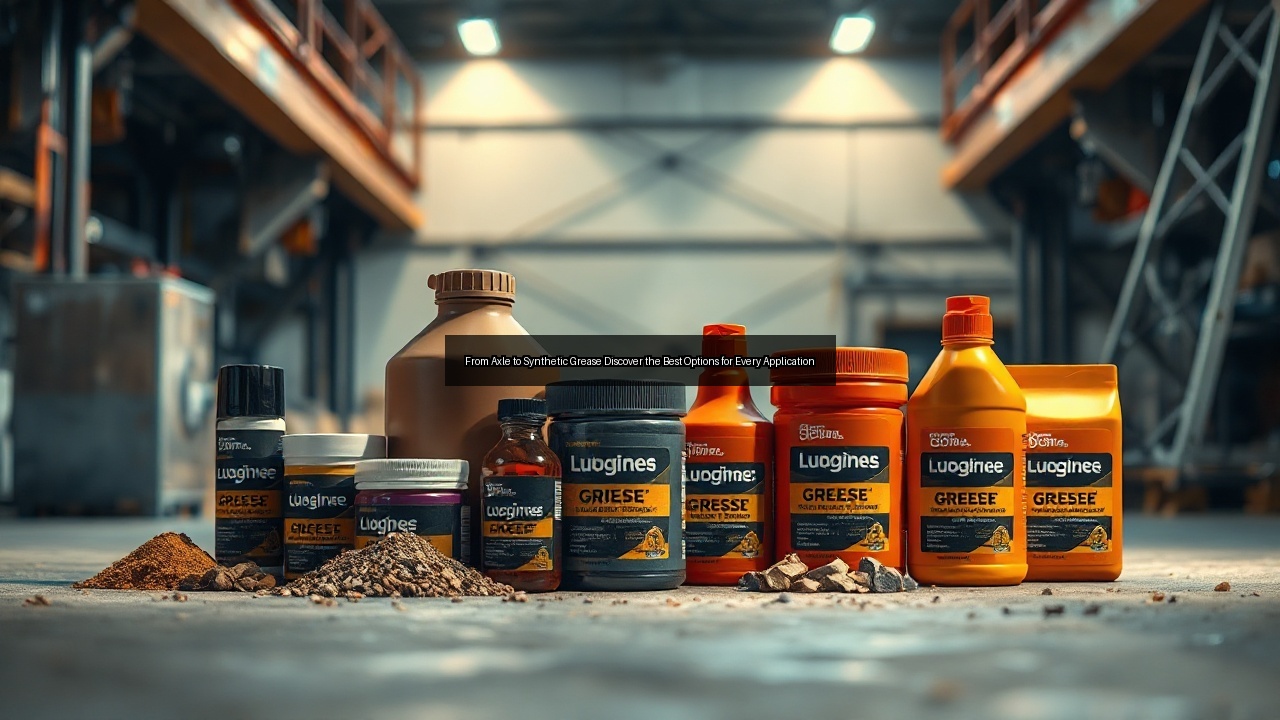
Understanding Industrial Grease Types
What is Industrial Grease?
Industrial grease types form the backbone of effective machinery protection across demanding environments. These semi-solid lubricants combine base oils with thickeners and additives to stay in place under pressure, unlike thinner motor oil that flows away quickly. Axle grease stands out for its ability to coat heavy components and resist water washout in vehicles and equipment. Lubricating grease delivers consistent performance where constant reapplication proves impractical. Users select from lithium, calcium, or polyurea bases depending on temperature ranges and load requirements. Proper formulation prevents metal-to-metal contact and extends service intervals in factories and fleets alike.
Grease products also incorporate extreme pressure additives that handle shock loads in bearings and gears. Oil viscosity plays a direct role in how well the lubricant clings and flows at operating temperatures. Engineers match the right consistency grade to each application so friction stays low and components last longer. Regular use of a quality degreaser keeps surfaces clean before new grease application. This foundation helps operators understand why industrial greases outperform simple oils in many stationary and mobile setups.
Importance of Choosing the Right Grease
Selecting the correct grease type directly affects equipment uptime and maintenance costs. Wrong choices lead to premature wear, overheating, and unplanned shutdowns in critical systems. Axle grease excels in high-load wheel hubs and chassis points where water and dirt intrusion occur daily. Synthetic grease handles wider temperature swings without breaking down, making it ideal for continuous operations. Lubricating grease with the proper NLGI grade ensures even distribution without leaking or channeling. Matching grease to speed, load, and environment reduces friction and energy consumption across plants and transport fleets.
Industrial grease types also influence corrosion protection and sealing performance. In oil and gas settings, the right formulation guards against hydrogen sulfide and moisture. Cement operations demand greases that tolerate abrasive dust without hardening. Data centers rely on quiet, stable lubricants for cooling fans and backup systems. Condition monitoring reveals when a specific grease fails to perform, prompting timely switches. Thoughtful selection prevents costly repairs and keeps production lines moving efficiently.
Key Properties of Industrial Greases
Industrial greases earn their reputation through measurable traits such as dropping point, penetration, and shear stability. High dropping points allow synthetic grease to remain effective at elevated temperatures common in energy sector equipment. Water resistance prevents washout in outdoor transport and gas pipeline applications. Mechanical stability keeps the thickener structure intact during repeated shearing in bearings. Additives boost oxidation resistance and load-carrying capacity for long service life.
Oil viscosity within the grease determines film strength at various speeds. Lithium complex greases offer excellent pumpability for centralized systems in cement plants. Polyurea types provide quiet operation suited to electric motors. Compatibility charts prevent mixing errors that cause softening or hardening. These properties guide engineers when specifying lubricants for new installations or retrofits. Understanding them helps maintenance teams build reliable lubrication programs that minimize downtime.
Types of Industrial Greases for Specific Applications
Axle Grease: Best Practices for Heavy-Duty Applications
Axle grease protects wheel bearings and fifth-wheel couplings under constant pounding and exposure to road chemicals. Operators apply fresh grease during every service interval to purge contaminants and maintain a protective barrier. Heavy-duty formulations contain molybdenum disulfide for extra protection during shock loading. Proper packing technique ensures complete coverage without overfilling that generates heat. Fleet managers track usage to avoid under-lubrication that leads to spindle damage.
Seasonal temperature changes require axle grease with stable consistency across wide ranges. Synthetic versions resist thinning in summer and stiffening in winter better than conventional products. Regular inspection with a grease gun helps detect early signs of leakage or hardening. These practices keep commercial trucks and construction equipment operating safely on job sites and highways. Consistent application routines reduce repair frequency and extend component life in demanding transport roles.
Synthetic Grease: Advantages in Extreme Conditions
Synthetic grease delivers superior performance where mineral-based products fail under heat, cold, or chemical attack. PAO and ester base stocks maintain stable oil viscosity across broad temperature bands, protecting bearings in arctic pipelines and desert solar plants. Advanced thickeners resist oxidation far longer than traditional soaps. This longevity cuts relubrication frequency and waste disposal costs for industrial users.
Equipment in data centers benefits from low-volatility synthetic grease that avoids outgassing near sensitive electronics. Oil and gas operators rely on these products for subsea valves exposed to high pressure and saltwater. Cement kilns use synthetic formulations to withstand continuous radiant heat without carbonizing. The upfront cost pays off through fewer failures and extended maintenance windows. Engineers specify synthetic grease when reliability outweighs initial expense in critical applications.
Lubricating Grease: Versatility Across Industries
Lubricating grease serves countless roles because its consistency allows precise placement without runoff. Multi-purpose lithium greases handle general plant lubrication on conveyors, pumps, and motors. Specialized versions with graphite or PTFE additives reduce friction in sliding surfaces found in manufacturing lines. Compatibility with seals and plastics expands use in automotive and aerospace assemblies.
Food-grade lubricating grease meets strict hygiene standards while protecting equipment in processing facilities. Marine applications demand corrosion inhibitors to combat saltwater exposure on deck machinery. Transport fleets standardize on a few versatile grades to simplify inventory and training. Proper storage in sealed containers prevents contamination before use. This adaptability makes lubricating grease a staple in maintenance departments worldwide.
Greases for Bearings: Ensuring Smooth Operation
Bearings demand grease that forms a durable film under rolling contact stress. High-speed spindles require lighter consistency grades to avoid churning and heat buildup. Slow, heavily loaded bearings benefit from tacky formulations that stay in the load zone. Electric motor bearings often use polyurea greases for long life and low noise. Replenishment intervals follow manufacturer guidelines based on speed and temperature factors.
Condition monitoring with vibration sensors detects early bearing distress caused by inadequate lubrication. Automated systems deliver precise amounts of grease at scheduled times, reducing human error. Proper cleaning with degreaser before repacking removes old oxidized material. Matching grease type to bearing size and orientation prevents leakage and ensures even distribution. These steps keep rotating equipment running smoothly in every industrial setting.
Applications of Industrial Greases

Grease in Oil and Gas Industries
Oil and gas operations expose equipment to extreme pressures, temperatures, and corrosive fluids that test every lubricant. Valve greases seal against leaks in gas pipeline systems while resisting sour gas attack. Drilling rigs apply heavy-duty axle grease to top drives and mud pumps that face constant vibration. Offshore platforms use synthetic grease on cranes and winches exposed to salt spray and temperature swings.
Refinery pumps and compressors rely on high-temperature greases to maintain seals around hot process fluids. Regular condition monitoring tracks grease degradation in critical rotating assets. Proper selection prevents unplanned outages that cost millions in lost production. Maintenance crews document lubrication points to ensure compliance with safety and environmental regulations. Reliable grease performance supports continuous energy delivery across global operations.
Cement Plants: The Role of Industrial Lubricants
Cement production generates abrasive dust and high heat that quickly destroy unprotected components. Kiln support rollers receive specialized greases that tolerate radiant temperatures above 200 degrees Celsius. Ball mill pinions use extreme-pressure greases to handle massive torque loads. Conveyors and crushers benefit from water-resistant formulations that repel process moisture and dust.
Centralized lubrication systems distribute grease to hundreds of points automatically, ensuring consistent coverage. Engineers monitor oil viscosity changes in circulating systems to predict when fresh lubricant is needed. Regular degreaser cleaning of housings prevents contamination buildup. These practices keep massive equipment turning despite harsh conditions. Effective lubrication directly impacts plant throughput and maintenance budgets in the cement sector.
Transport Sector: Enhancing Vehicle Performance
Transport fleets depend on reliable greases to keep trucks, buses, and railcars moving safely. Wheel-end axle grease protects bearings during long hauls over varied terrain and weather. Fifth-wheel plates receive tacky formulations that reduce wear during coupling and uncoupling. Chassis points use multi-purpose greases that resist road spray and de-icing chemicals.
Highway equipment such as snowplows and refuse trucks faces seasonal extremes that demand synthetic grease options. Rail operators apply specialized greases to curve lubrication systems that reduce wheel and rail wear. Fleet managers track consumption rates to optimize service schedules. Proper lubrication lowers fuel consumption by minimizing rolling resistance. These benefits improve reliability and operating margins across the entire transport network.
Data Centers: Maintaining Equipment Efficiency
Data centers require quiet, stable lubrication for cooling fans, pumps, and backup generators. Low-noise greases prevent audible disturbances near servers while protecting motor bearings from premature failure. Synthetic formulations resist oxidation in continuously running HVAC systems. Precise application avoids excess that could migrate onto circuit boards.
Condition monitoring systems track bearing temperatures and vibration to schedule grease replenishment without disrupting operations. Redundant power equipment receives the same attention to ensure uptime during outages. Engineers select greases with excellent thermal stability to handle varying loads. Clean application practices with proper degreaser preparation maintain facility cleanliness standards. Reliable lubrication supports the nonstop performance expected in modern data centers.
Condition Monitoring and Maintenance Strategies
The Role of Condition Monitoring in Lubrication
Condition monitoring transforms lubrication from reactive tasks into predictive strategies. Oil analysis reveals contamination levels, additive depletion, and wear metals in circulating systems. Grease sampling from bearings provides similar insights into oxidation and consistency changes. Vibration sensors detect early signs of inadequate film strength before catastrophic failure occurs.
Thermal imaging identifies hot spots caused by lubricant breakdown in motors and gearboxes. Integrating these tools with maintenance software schedules interventions at optimal times. Engineers correlate data trends with operating hours to refine grease selection. This approach reduces unplanned downtime and extends equipment life across industrial sites. Effective monitoring turns lubrication programs into measurable reliability assets.
Identifying When to Change Grease
Grease reaches the end of its useful life when oxidation, contamination, or mechanical breakdown occurs. Hardening or oil separation signals the need for replacement in bearings and couplings. Rising operating temperatures often indicate insufficient lubrication film. Visual inspection during shutdowns reveals darkened or gritty material that has lost protective properties.
Condition monitoring data provides objective triggers for change intervals rather than calendar-based guesses. High-load applications in cement and energy sectors may require more frequent attention. Proper documentation tracks grease performance across similar machines for benchmarking. Timely replacement prevents accelerated wear and secondary damage. Consistent evaluation practices keep equipment running at peak efficiency.
Best Practices for Grease Application and Maintenance
Best practices begin with clean surfaces and correct grease type selection for each point. Technicians purge old material completely before introducing new lubricant to avoid incompatibility issues. Automated dispensers deliver precise volumes at programmed intervals, reducing waste and human error. Training programs ensure every team member understands proper technique and safety protocols.
Storage areas keep grease containers sealed and temperature-controlled to preserve properties. Regular audits verify that lubrication routes match equipment manuals. Integration with condition monitoring closes the loop by confirming effectiveness. These disciplined habits minimize failures and control costs in any plant or fleet operation. Thorough execution separates average maintenance programs from world-class reliability efforts.
Future Trends in Industrial Grease Technology
Advancements in Synthetic Grease Formulations
Researchers continue developing synthetic grease with novel base oils and thickener systems that push performance boundaries. New additive packages extend oxidative life and improve load capacity under extreme conditions. Nano-particles enhance film strength without increasing friction in high-speed bearings. These innovations target longer relubrication intervals demanded by remote oil and gas sites and automated plants.
Compatibility with new seal materials and coatings expands application possibilities in transport and energy equipment. Lower volatility reduces emissions concerns in enclosed environments such as data centers. Field trials demonstrate measurable reductions in energy consumption through optimized friction properties. Continued investment in formulation science promises greases tailored to specific operating profiles rather than broad compromises.
Impact of Sustainability on Grease Products
Sustainability pressures drive development of biodegradable and re-refined base oils in industrial grease types. Plant-derived thickeners replace traditional metallic soaps in select applications. Reduced packaging waste and extended service life lower the overall environmental footprint of lubrication programs. Regulatory requirements in Europe and North America accelerate adoption of eco-labeled products.
Manufacturers now track carbon intensity across the full supply chain for lubricants. End users in cement and transport sectors seek greases that support corporate emissions goals without sacrificing reliability. Recycling programs for used grease containers become standard practice. These shifts create new performance benchmarks while maintaining the protection levels expected from modern industrial greases.
The Future of Lubricants in Energy Sector
The energy sector demands lubricants that support both traditional and renewable infrastructure. Wind turbine main shaft bearings require synthetic grease capable of twenty-year service lives with minimal maintenance access. Hydrogen infrastructure needs formulations resistant to embrittlement and permeation. Carbon capture facilities introduce new chemical exposure profiles that existing greases must address.
Digital twins and real-time condition monitoring integrate with lubrication management to optimize intervals dynamically. Partnerships between grease producers and equipment OEMs yield application-specific products faster than before. As energy systems evolve, industrial grease types will continue adapting to support higher efficiency and lower environmental impact across global operations.
See Also
- Exploring the Role of Industrial Greases in Energy Efficiency and Equipment Longevity
- Unlocking the Secrets of Industrial Grease Types for Optimal Machinery Performance
- The Ultimate Guide to Choosing the Right Grease for Your Industrial Needs
- Navigating the World of Lubricants Understanding Grease Types for Heavy-Duty Industries